
Moje własne prawdziwe przeżycia z arkuszami stylów wydruku w kasynie Slotsdj w Polsce
27/10/2026Luckyhills Casino constitue un casino sécurisé pour les joueurs canadiens en quête de loisir.
27/10/2026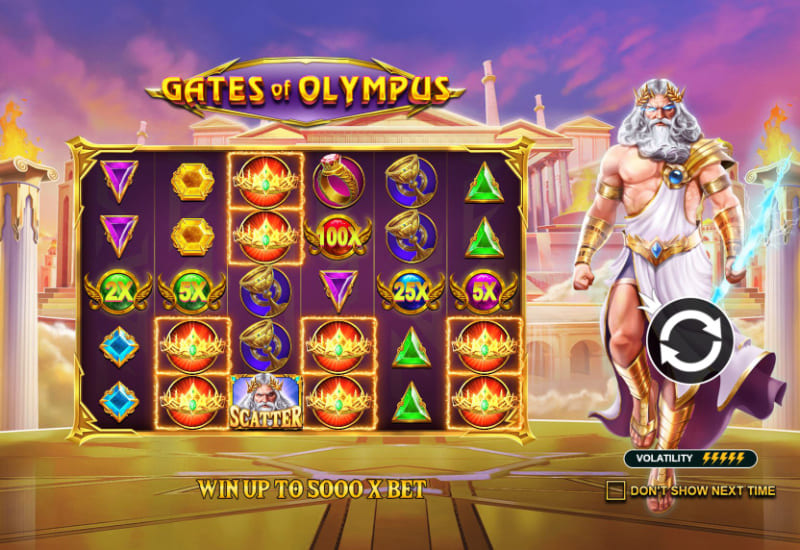
Few online slots attract attention as much as Gates of Olympus, Pragmatic Play’s high-volatility creation set in the realm of ancient Greek gods https://gatesofolympus-demo.com/. Its tumbling reels, pay-anywhere mechanics, and multiplier symbols that can reach up to 500x in a single drop generate an experience that is equally thrilling and fiercely unpredictable. As UK players, we understand that the game’s famous 5,000x maximum win potential comes with equally famous dry spells, which makes proactive session management crucial, not optional. Without a clear plan, a session can swing from excitement to regret in a handful of spins, no matter how experienced we are. We’ll cover concrete techniques for controlling your time, bankroll, and emotional responses while playing Gates of Olympus, so that you can appreciate the cascading sequences and multiplier fireworks without losing sight of why you sat down to play in the first place. Every tip is based in the game’s actual mechanics, from its 6×5 grid and scatter pays to the free spins and ante bet feature, and is tailored to the rhythm of a typical UK slot session.
4. Getting the Most from the Tumble Feature and Multiplier Symbols
The tumble system is the engine that gives Gates of Olympus its trademark rhythm, and comprehending it in depth changes passive spinning into informed play. After every winning combination, the winning symbols vanish from the 6×5 grid, and new symbols tumble down to fill the empty spaces. This chain reaction continues until no new win is formed, with all payouts from a single base spin gathered and paid at the end of the sequence. The beauty of this system is that a single spin can deliver multiple successive wins without requiring an additional stake, providing us extra “free” chances. For session management, this means that a bankroll that would ordinarily cover 200 spins can produce far more than 200 win evaluations, because each tumble offers a fresh opportunity to land scatter symbols or valuable multipliers.
How Tumbles Lengthen Your Play Time
Whenever the reels cascade, we obtain a free roll as part of the original bet. If our base spin is priced at £0.20 and triggers a five-tumble chain, we have observed five additional win assessments for that same £0.20. Over a long session, this can extend the effective number of win checks by 20% or more, depending on how frequently clusters of eight or more symbols align. This feature makes lower bet sizes sustainable if we are patient. We have monitored sessions where a £50 budget at £0.20 per spin lasted for well over 90 minutes simply because the tumbling kept resetting the grid and occasionally stringing together small but meaningful returns. The key is not to misinterpret a run of tumbling wins as a sign that the game has “warmed up”; the underlying probability of any single cascade remains independent, but the structural economy of the mechanic does genuinely slow the rate at which the balance drains during quiet periods.
Grasping Multiplier Symbol Values and Its Impact
Multiplier symbols, shown as glowing winged orbs, can show up on any spin in the base game and free spins alike, each holding a random value from 2x to 500x. In the base game, all multiplier symbols that drop during a tumble sequence are summed up and applied to the total win of that sequence at the moment the cascades end. This means a sequence that generates a modest £1 symbol win can be elevated to £10, £50, or much more if a 10x or 50x multiplier arrives. Because these multipliers can land at any time, they serve as session wildcards that can suddenly reverse a losing streak. From a management perspective, we treat multiplier-heavy sequences as bonus events that lessen the pressure on the bankroll, but we never boost our bet afterwards expecting a repeat. The 500x multiplier is rare, and chasing that dream by raising stakes is a fast route to draining a carefully structured budget.
6. Adjusting Your Bet Size and Utilizing the Ante Bet Sensibly
Gates of Olympus offers a versatile bet range, typically beginning from as small as £0.20 and extending up to £100 or more depending on the platform, making it reachable for a extensive variety of session budgets. More importantly, it contains an ante bet feature that UK players can use to modify the game dynamic without relying on bonus buy options, which are absent in this market. The ante bet boosts your total stake by 25% and, in return, increases twofold the probability of initiating free spins by inserting extra scatter symbols to the reels. For a £1 base bet, activating the ante bet drives the spin cost to £1.25. This modest increase could change the frequency with which you come across the bonus round, but it also accelerates the depletion of a fixed bankroll. Choosing whether to retain the ante bet active throughout a session, or to switch it strategically, is a central session management choice.
The Manner the Ante Bet Changes Your Session Cost
Deciding When to Activate the Ante Bet
When we activate the ante bet, we are buying a higher hit rate for the feature at the price of reduced total spins. A session bankroll of £100 that would yield 500 spins at £0.20 without the ante bet will produce only 400 spins at £0.25 with it. However, those 400 spins contain roughly twice the number of anticipated free spins triggers. This trade-off is deserving assessing based on your personal goal for the session. If you are playing primarily for the adrenaline of the bonus round and are willing for a quicker drain of funds in trade for greater frequent access to the multiplier accumulation mechanic, the ante bet is sensible. If your priority is to maximise time on the device and savor the base game tumble chains, leaving the ante bet off preserves a extended, steadier session. We often advise attempting a session with the ante bet off at first to gauge the natural rhythm, then dedicating a different, smaller-budget session to ante bet play to determine which style matches your temperament.
A more surgical approach is to toggle the ante bet on only after a long dry spell without a free spins trigger, or to turn on it when your session bankroll has increased due to a big base game multiplier hit. For example, if you commence with £80 at £0.40 per spin and after 30 minutes your balance sits at £120 thanks to a timely 50x multiplier, you could change the ante bet on for the next 50 spins, tolerating the higher cost knowing you are playing with house money. This hybrid method helps balance the desire for features with the need to protect the original stake. It is vital, however, not to stumble into the trap of toggling the ante bet on and off impulsively as a reaction to wins or losses. Set a rule before you start, such as “I will enable the ante bet only after my balance is 20% above the starting level,” and cling to it. This turns a gameplay feature into a tool rather than an emotional lever.
3. Time Management: Organizing Your Play to Combat Fatigue
Time is the element of session management that often gets ignored, yet it is central to appreciating Gates of Olympus. The game’s default spin speed is fast, and the tumble animations, while visually satisfying, can create a hypnotic loop that depletes both concentration and funds without us noticing the passing minutes. We have observed that setting a predefined session length, optimally between 45 and 90 minutes, creates a healthy framework for the experience. Within that window, the high volatility has a reasonable chance to generate at least one memorable bonus event without exposing us to the cognitive fatigue that contributes to sloppy bet adjustments. Use the alarm or timer on your phone, or the reality check pop-ups offered by many UK-facing casino platforms, and pledge to stopping when the alert sounds irrespective of whether you are ahead or behind. The discipline is harder than it sounds, but it protects the enjoyment.
Optimal Session Lengths for High-Variance Slots
The Value of Interruptions Across Tumble Sequences
There is no single optimum length, but we can measure it against the game’s maths. The hit frequency of the free spins feature is roughly 1 in 425 spins under standard conditions, though the ante bet halves that threshold. If we assume a comfortable pace of 10 spins per minute, a 60-minute session delivers around 600 spins. That offers a decent probability of seeing at least one free spins round, while not being so long that a complete wipeout becomes likely. Shorter sessions of 20 to 30 minutes, by contrast, often feel anticlimactic because the volatility has not had enough runway to express itself; we might walk away with only a string of tiny tumble wins and a sense of missed opportunity. Longer sessions of two hours or more, however, increase the chance that we will abandon our bankroll limits out of sheer momentum. We recommend starting with 60 minutes and adjusting based on your personal tolerance for risk and downtime.
One notable aspect of Gates of Olympus is the physical length of a single spin when a lucky tumble chain kicks in. A single initial spin can spawn six or more successive cascades, with multiplier symbols collecting and re-evaluating after each drop. These sequences can stretch a single spin out to 15 or 20 seconds of screen action, which generates anticipation and excitement. While these are the moments we play for, they also heighten the emotional rollercoaster. We suggest a short break following any intense chain, whatever outcome. Pause for 30 seconds, sip some water, and check your remaining spin budget and session timer. This small act restores the mental state and blocks the “just one more” reflex that often follows a near-miss or a large multiplier that did not connect with a winning cluster. Building these micro-breaks into your routine holds you anchored in the present.
1. Understanding the Fluctuation and RTP of Gates of Olympus
Before we can handle a session efficiently, we need to comprehend what the numbers behind the game signify in practical terms. Gates of Olympus commonly runs with a Return to Player (RTP) of about 96.5%, though we should always verify the specific version hosted by our selected operator as variants with 95.5% or 94.5% do exist. That calculated payback percentage is calculated over millions of spins and does not describe a single session, but it gives us a foundation for anticipation. More significant day-to-day is the slot’s volatility rating, which is as high as they get. High volatility means the game is engineered to deliver most of its payouts through infrequent, large clusters of wins rather than through frequent small hits. A session of two hundred spins can easily elapse without a single free spins trigger, while other sessions might witness a 100x win within the first few minutes. This extreme variance is what shapes every bankroll and time decision we make.
The Meaning of High Volatility Indicates for Your Session
When we turn the reels of a volatile slot like Gates of Olympus, we are embracing a trade-off. We will experience longer stretches where the balance drifts lower with only the rare tiny tumble win to interrupt the slide. Those stretches are not a indication that the game is “cold” or about to “heat up”; they are simply the mathematical fabric of the engine. Because wins are focused in rare events, the worst thing we can do is cut our session planning and wish for a quick feature. Recognising this, we should plan for a number of spins that allows these dry runs to occur without depleting our funds. For instance, if our typical bet is £0.50, a session bankroll must be set to absorb several hundred non-eventful spins before a meaningful multiplier chain or free spins round begins. This mental framing avoids frustration and hasty bet increases, which are the most common session wreckers.
The Importance of RTP in Session Planning
While RTP does not reveal to us what will happen in the coming hour, it gives us a benchmark to evaluate the relative cost of playing. A game with a 96.5% RTP implies an expected loss of 3.5 units for every 100 units wagered over the long term. In a single session of 300 spins at £1 each, the expected loss is around £10.50, but actual results will deviate wildly. We find it helpful to think of any session bankroll as the price of entertainment for a set period, with the RTP acting as a reminder that we should not expect to recoup our entire stake. By internalising this, we can set a stop-loss that reflects the cost of a few hours’ play rather than clinging to a hope that the next spin will restore balance. This mindset also helps us to resist the temptation to chase losses by increasing bet size, a behaviour that volatility exploits ruthlessly.
7. Recognizing When to Step Back: Winning and Losing Caps for a More Balanced Experience
The ultimate and maybe most essential foundation of session management is the capacity to conclude a session gracefully, whether the result is a satisfying win or a difficult loss. Gates of Olympus, with its elevated multiplier moments and chain-reaction tumbles, can create an almost gravitational pull that makes it hard to log off. That pull is deliberate, and we can counter it only by defining concrete exit criteria beforehand. A win limit and a loss limit are not admissions of weakness; they are the foundations of sustainable play. A reasonable loss limit for a high-volatility game is the whole session bankroll you designated, but we opt to set an earlier soft limit at 60% loss, after which we switch to minimum bet or stop entirely. For wins, a objective of 150% to 200% of your starting balance serves well to guarantee profit without venturing into the territory where a reversal appears devastating.
Setting a Session Win Target
A specific win target erases the ambiguity that can cause us spinning indefinitely. If you commence a session with £100 at £0.50 per spin, a target of £200 means you have multiplied by two your money and should seriously consider cashing out. When a win target is hit, we grant ourselves a cooldown period of at least 10 minutes before making any withdrawal decision. This stops the immediate dopamine rush from overriding rational thought. It can be helpful to physically remove the funds from the playable balance by withdrawing the original stake plus half the profit, leaving a small buffer to continue playing at a reduced bet size if desired. The goal is not to forbid further play but to make certain that a significant win remains a win, not a temporary loan that the game reclaims over the next hour. We have seen too many sessions where a 300% profit evaporates simply because no exit strategy existed.
Spotting the Signs of Tilt
Tilt, a term borrowed from poker, describes the emotional state where frustration or overexcitement leads to irrational decisions. In the context of Gates of Olympus, tilt often manifests as rapidly boosting the bet size after a series of near-miss scatter triggers, or after a bonus round that paid poorly. You might notice yourself thinking “the next free spins will pay better” or “I’m due a big multiplier”. These thoughts are statistically inaccurate, as each spin is independent. If you notice your heart rate climbing, your clicks becoming faster, or a growing sense of urgency to recover losses, those are clear signals to stop immediately. Step away from the screen, take a walk, and reassess your original session plan. Many UK-facing casino platforms offer reality check tools and time-out features that can be activated on demand; using them is a sign of good session management, not a failure. A well-structured session always finishes with you in control, regardless of the balance displayed.
5. Approaching the Free Spins Feature with a Clear Strategy
The free spins bonus in Gates of Olympus is the principal volatility engine that can deliver the 5,000x maximum win, and how we manage the moments before, during, and after the round can make or break a session. The feature is activated when four or more scatter symbols, depicted as Zeus himself, land in any position on the grid during a base game spin or tumble cascade. This grants an initial batch of 15 free spins. What makes the bonus round so potent is that any multiplier symbol that lands during free spins is not applied immediately but instead added to a running global multiplier that increases throughout the entire feature. Every win inside free spins is scaled by that accumulated value, and if you retrigger by landing three more scatters, you earn five additional spins, with no upper limit on the number of retriggers or the multiplier total.
Free Spins Operations and Multiplier Accumulation
As soon as you get into the free spins, the grid clears and the global multiplier initiates at zero. Each time a multiplier symbol appears, its value is constantly added to the meter, and that total figure then boosts all later wins. For example, if you gather a 10x, a 4x, and a 20x symbol over multiple spins, every victorious cluster for the leftover free spins will be multiplied by 34x. This rolling impact can convert a string of small symbol hits into a massive payout, notably if the tumble feature keeps to cascade. For playtime handling, this means that the free spins round can by itself recover a long stretch of losses and propel a session into profit. That potential, however, also creates a dangerous psychological trap: we may catch ourselves extending a session far beyond our scheduled time limit in pursuit of a trigger that may never show up for another 200 spins. We advise treating any free spins appearance as a pleasant bonus that has already satisfied the session’s entertainment value, not as a target to chase.
Activating Again and Longer Bonus Rounds
Extra triggers add five extra free spins each time three scatters appear, and the cumulative multiplier continues to build uninterrupted. A single feature can in theory last for dozens of spins if retriggers keep hitting, turning a standard 15-spin round into a prolonged cascade of escalating payouts. While these extended sequences are thrilling, they also keep us locked in an emotionally heightened state for longer stretches. We advise checking your session clock as soon as the free spins round ends, irrespective of the outcome. If the feature has consumed 10 or 15 minutes and you have already reached your pre-set time limit, consider ending the session on a high note rather than restarting the cycle. The aftermath of a big free spins hit is often accompanied by a quiet period of low returns, and continuing to play out of euphoria can erode the gains you just made. A simple rule: after any free spins round that returns more than 100x your bet, take a five-minute break and reassess.
2. Establishing a Session Bankroll That Matches the Game’s Variance
Bankroll management for Gates of Olympus starts far before we press spin. Because the game uses a pay-anywhere system on a 6×5 grid, wins are formed by landing eight or more matching symbols anywhere on the screen, and the tumble feature can chain multiple consecutive wins from a single base stake. This means that a single spin can produce ten or more successive payouts if multipliers drop in at the right moment, but equally, a run of 40 spins with no return above half the bet is normal. To ride out these swings, we advise a session bankroll equivalent to at least 150 to 200 times your selected bet size. If you opt to play at £1 per spin, a £200 session budget gives you 200 spins before you hit zero, assuming zero wins. This might look conservative, but in high-variance play those 200 spins can vanish in under an hour, especially if no bonus round appears.
Computing Your Spins Budget
A effective method we employ is to decide in advance how many individual spins we want to play, then times by the bet amount and add a buffer for the ante bet if active. For example, a target of 300 spins at £0.40 each with the ante bet enabled raises 25% to the spin cost, reaching £0.50 per spin. That would require a session budget of £150. We then break that total into smaller blocks, such as three blocks of £50, and enjoy a break between each block to review our position objectively. Splitting the session into chunks allows the bankroll last longer psychologically and offers us natural points to reassess our win and loss limits. Without this system, it is far too easy to slip into a trance-like state where we misplace track of both time and money, a particular risk with the rapid-fire tumble sequences that Gates of Olympus is known for.
Immediate Stop-Loss Limits
Even the best-planned bankroll needs a firm floor. We recommend setting a stop-loss that sits at around 50% of your allocated session bankroll, not your total account balance. If you deposit £100 to play with a £0.50 bet and lose £50 within the first 20 minutes, continuing with the same bet size simply reduces the number of spins you have left to reach any substantial feature. A stop-loss does not automatically mean ending the entire session; it can mean stepping away for an hour, reducing the bet size significantly, or switching to a lower-variance game for a reset. The key is to make the decision before the session begins, when emotions are neutral. Jot the number down or set a deposit limit reminder in the casino’s responsible gaming tools. This takes away the need to make a rational choice in the middle of a losing streak, when our brain is actively looking for reasons to keep playing.